India is assessing risk to its oil trade after the US signaled it would sign a Russia sanctions bill.
The Sanctioning Russia and Iran Act of 2026 gives the US President authority to impose tariffs of up to 100% on buyers of Russian oil and gas.
India’s Ministry of External Affairs said it is closely monitoring the situation and remains committed to energy security for its population.
Concerns have emerged in New Delhi over the bill’s potential impact on bilateral ties and global energy markets.
China has also opposed the legislation, rejecting it as ‘long-arm jurisdiction’ and unilateral sanctions without international legal basis.
Energy security has remained a consistent priority in India’s foreign policy, with the government emphasizing diversified sourcing to manage price volatility.
Global oil markets remain sensitive to geopolitical developments of this kind, with sanctions-related uncertainty often influencing crude price movements.
Indian officials have historically maintained that energy purchasing decisions are driven by national interest and affordability considerations for its population.
The legislation, known as the Sanctioning Russia and Iran Act of 2026, gives the US President authority to impose tariffs of up to 100% on countries buying Russian oil and gas.
The bill does not automatically impose these tariffs on India, but it increases pressure on New Delhi’s energy sourcing decisions going forward.
India’s Ministry of External Affairs has said it is closely monitoring the situation and remains committed to ensuring energy security for its population of 1.4 billion people.
India has expressed concern that the legislation’s impact could affect bilateral ties between New Delhi and Washington, alongside global energy markets more broadly.
China has also opposed the sanctions bill, with its Foreign Ministry rejecting what it called ‘long-arm jurisdiction’ and unilateral sanctions lacking a basis in international law.
India has significantly increased its imports of discounted Russian crude oil since 2022, making it one of the largest buyers of Russian oil globally.
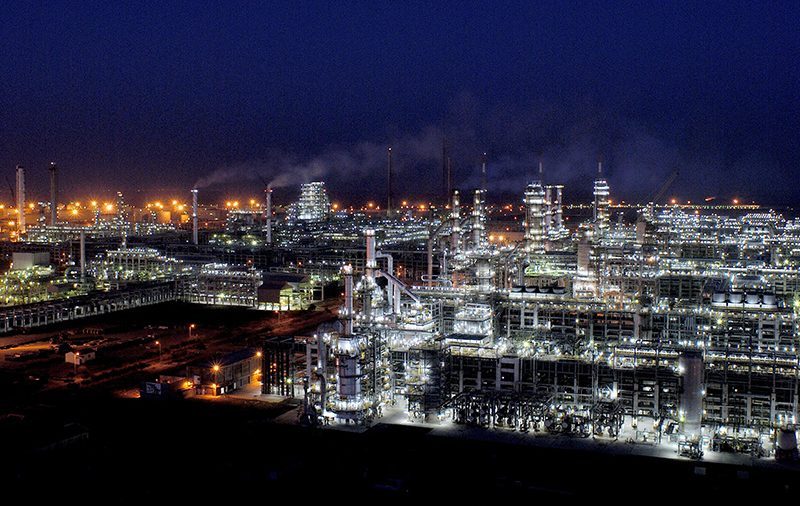
Jamnagar Refinery, India (representative image), Wikimedia Commons, CC BY-SA 4.0