The Union Cabinet, chaired by Prime Minister Narendra Modi, cleared the ‘Samudra Manthan’ National Offshore Exploration Scheme on Thursday, July 31, 2026, with a total outlay of Rs 84,084 crore for implementation through FY2030-31.
The scheme, to be run as a Central Sector Scheme by the Ministry of Petroleum & Natural Gas, targets reserve accretion of over 600 million metric tonnes of oil equivalent along with greater offshore exploration and domestic production.
Deep-sea and ultra-deep-sea drilling will receive over Rs 43,200 crore across five years through 2031, with per-well support of up to Rs 650 crore in deepwater and ultra-deepwater zones, where drilling a single well can cost Rs 950 crore to Rs 2,400 crore.
The rest of the outlay covers Rs 10,000 crore for common infrastructure, Rs 28,534 crore for offshore data acquisition, and Rs 2,000 crore for oil and gas manufacturing and services zones.
Union minister Ashwini Vaishnaw described the scheme as a ‘major game-changer’ that would help India substantially raise domestic production and cut foreign currency spent on crude oil imports.
The government expects the scheme to generate large-scale employment as exploration activity expands across India’s offshore basins in the years ahead.
India currently imports a large share of its crude oil requirement, a dependence successive governments have sought to reduce through incentives for domestic exploration and production.
The petroleum ministry has previously run rounds of offshore acreage auctions under the Open Acreage Licensing Policy, aimed at drawing both public and private sector investment into exploration blocks.
Deep-sea and ultra-deep-sea drilling is considered technically demanding and capital-intensive, which is why the scheme sets aside dedicated funding specifically for wells in those zones.
The scheme’s data acquisition component is intended to help identify new sedimentary basins and improve the accuracy of reserve estimates before companies commit to expensive drilling programmes.
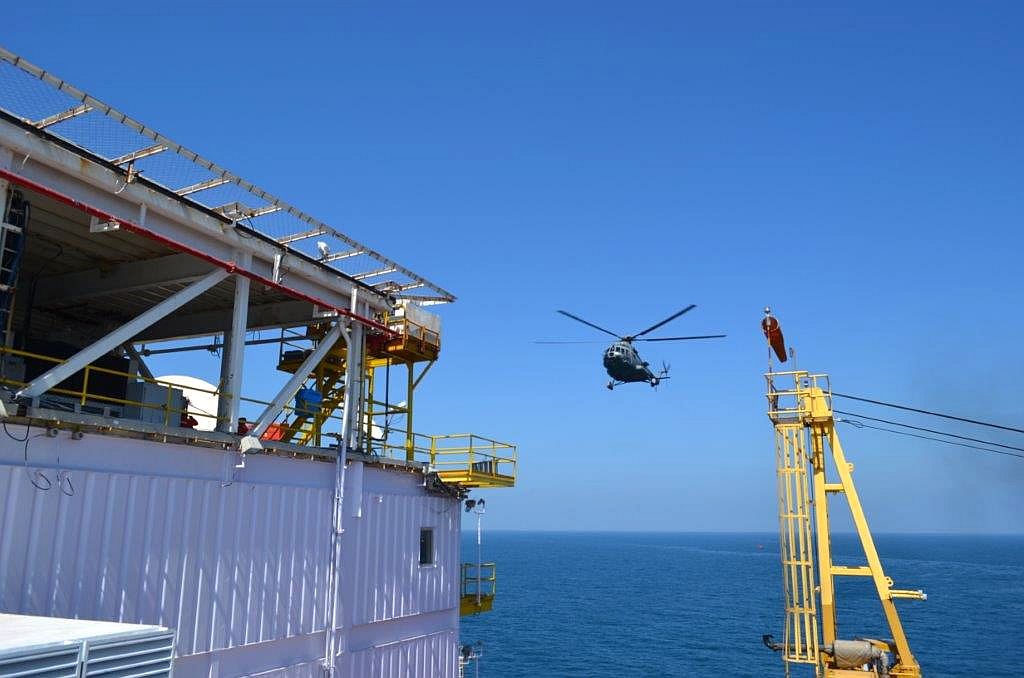
Photo: Indian Navy, Wikimedia Commons, GODL-India