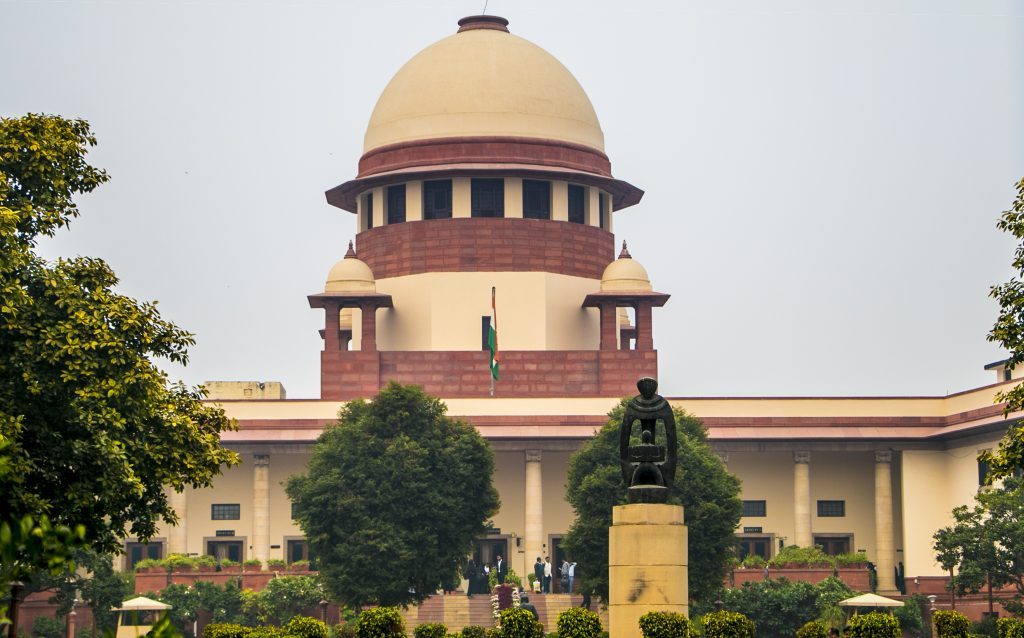
The Supreme Court was told that reasons for flagging Delhi voters in the SIR were not disclosed.
Advocate Prashant Bhushan made the argument on September 22.
About 33 lakh voters received notices.
The draft roll removed about 47.7 lakh names.
The final roll is due on November 4.
The deadline for filing claims for inclusion in the roll is September 30, 2026.
Special Intensive Revision is a process in which the Election Commission re-verifies the electoral roll, requiring voters to fill in enumeration forms and flagging discrepancies for further checks.
Prominent voters who received notices in the exercise included External Affairs Minister S Jaishankar, former Delhi chief minister Arvind Kejriwal and BJP veteran L K Advani.
The Election Commission has said that receiving a notice does not by itself mean a person’s name will be removed from the roll.
The case is being watched closely because Delhi’s SIR could be a template for similar exercises the Election Commission may carry out in other states.
A Supreme Court bench of Chief Justice Surya Kant, Justice Joymalya Bagchi and Justice V Mohana agreed to hear the plea on Delhi’s Special Intensive Revision on September 22.
The petition challenges notices issued to about 33 lakh people during the exercise.
Advocate Prashant Bhushan, appearing for the petitioners, argued that the process was opaque.
He said the Election Commission had not disclosed the basis for flagging people as a ‘logical discrepancy’ or ‘unmapped’, either in the notices or on its website.
Bhushan said, in effect, that voters were not being told the specific reason their names were flagged.
The draft electoral roll for Delhi, published on August 31, 2026, removed about 47.7 lakh names from the existing list of roughly 1.45 crore electors.
Officials said around 97.51 lakh enumeration forms were collected or uploaded during the revision process.
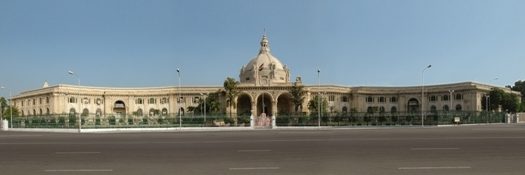
Supreme Court of India, New Delhi (representative image), Wikimedia Commons, CC BY-SA 4.0