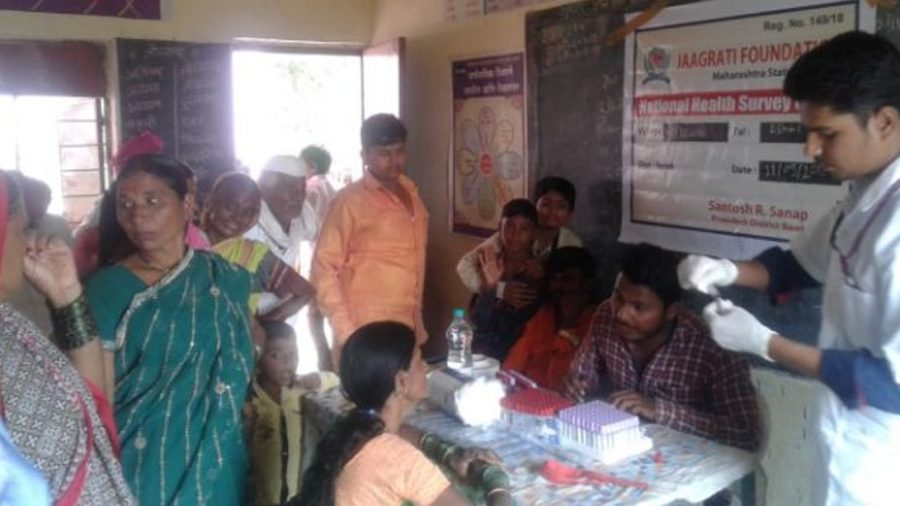
Gaurav Paliwal's daily routine reportedly includes two very different responsibilities: physically demanding sanitation work at a small hotel, and leading Jagriti Foundation, a charitable initiative that has helped provide free healthcare to more than 2,500 people.
His hotel duties include cleaning toilets and bathrooms, sweeping and mopping the premises, and maintaining general cleanliness — work that earns him between ₹8,000 and ₹10,000 a month, according to the account associated with the initiative. Balancing this job with organising medical camps, coordinating with volunteer doctors, and managing the foundation's limited resources suggests a demanding schedule that leaves little room for the kind of full-time attention larger nonprofit leaders typically devote to their organisations.
Why the Dual Role Matters to the Story
Paliwal's continued presence at the hotel — rather than stepping away to focus exclusively on Jagriti Foundation — reportedly keeps his charitable work directly connected to the same modest income that funds it, reinforcing the foundation's central claim of being self-financed rather than institutionally backed.
A Common Pattern Among India's Informal Social Workers
Balancing paid work with unpaid, informal social-service activity is a common pattern among grassroots community organisers in India, many of whom lack the financial security to transition into full-time nonprofit roles even as their initiatives grow in scale and recognition.
What Sustains an Effort Like This
Sustaining a charitable initiative alongside full-time manual labour over an extended period, as Paliwal's account describes, typically requires consistent personal commitment and support from a small trusted circle — in this case, reportedly his hotel colleagues and cooperating doctors — rather than the institutional infrastructure larger charities rely on.
The Physical Toll of a Dual Commitment
Sanitation work is physically taxing on its own, involving repetitive manual labour over long shifts; layering charitable coordination — arranging camps, liaising with doctors, managing whatever administrative tasks the foundation requires — on top of that workload suggests a level of sustained personal exertion that goes well beyond either role considered separately.
Time as the Scarcest Resource
For someone in Paliwal's position, time is arguably as constrained a resource as money, since a fixed number of hours must be divided between paid manual labour, rest, and unpaid coordination work for the foundation. This scarcity likely shapes the pace at which Jagriti Foundation can realistically organise new camps, regardless of how much community need exists.
Frequently Asked Questions
Does Gaurav Paliwal work full-time for Jagriti Foundation?
No — according to the account associated with the initiative, he continues working as a sanitation worker at a hotel while also directing the foundation's charitable activities.
How does Gaurav Paliwal balance his job and his charity work?
The specific details of his schedule have not been documented in the material associated with this report, though his hotel job and foundation work reportedly continue alongside each other.