India’s Supreme Court held a special Sunday sitting on October 11.
It ordered metro and rail services and internet access to be restored in Delhi.
It asked the government to review barricades.
It sought responses on alleged excessive police force.
The matters will be heard again on October 13.
It directed that any notice board announcing Section 163 restrictions near the Supreme Court be removed, if still there, so that access to the Supreme Court and other courts is not blocked.
It sought responses to allegations of excessive police force, illegal detention and the involvement of an unbadged police officer.
It reminded protesters to remain peaceful and not to instigate others.
The court said that it is duty-bound under Article 32 to protect and enforce fundamental rights.
Solicitor General Tushar Mehta told the court that all Metro stations were open and internet had been restored, according to ETV Bharat.
The Solicitor General said that 45 of 303 Metro stations had entry or exit restrictions on October 10, and that there was no reduction in Metro operations, with 271 trains inducted, according to the same reports.
Senior advocate Sanjay Hegde told the court that lawyers detained at the Sanjay Colony police station in Maidan Garhi were held for hours and allegedly beaten, according to India.com.
Counsel Shoeb Alam told the court that 6,000 to 7,000 people were detained, according to ETV Bharat, which is a figure given in court and not a police figure.
The habeas corpus petitions alleging mass detentions and related matters will be heard with the main cases on October 13.
The authorities were expected to respond by Tuesday, October 13.
On October 9, the court had said that there shall be no complete prohibition on the movement of Metro trains and no total blockade of roads.
The reports available on October 11 did not include the full text of the order, so its exact wording and any compliance deadlines are not given here.
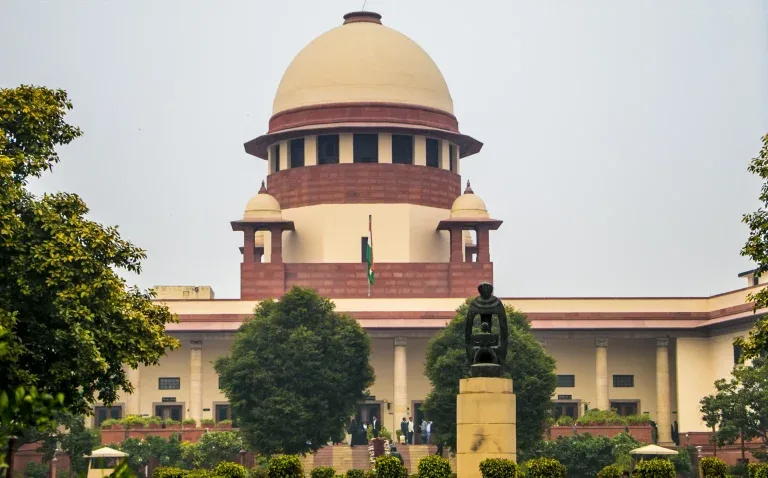
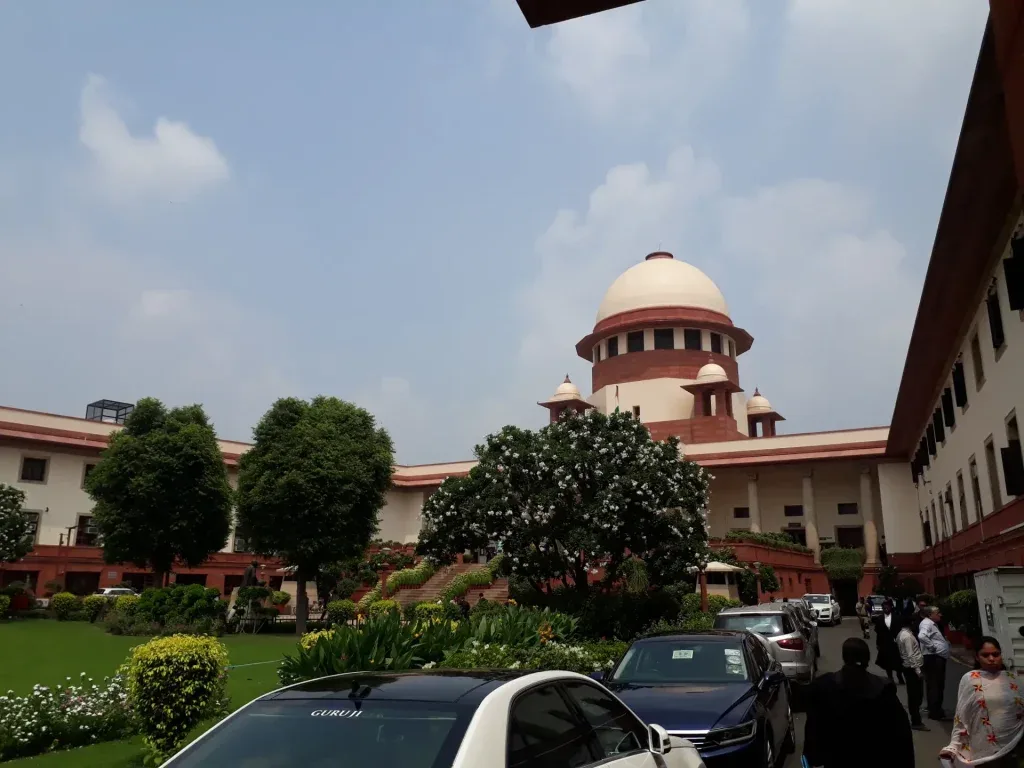
Supreme Court of India (file image), Wikimedia Commons, CC BY-SA 4.0