IndiGo will compete with Air Tanzania on a new daily route connecting Mumbai and Dar es Salaam, expected to begin in November.
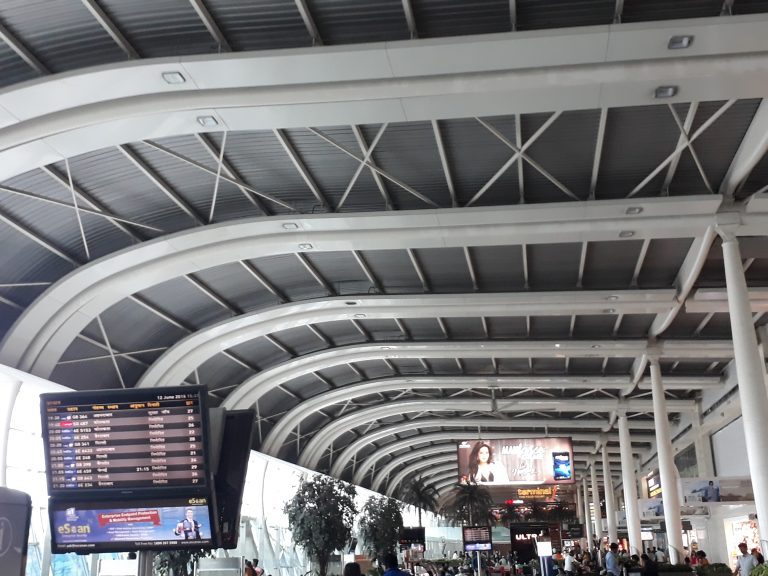
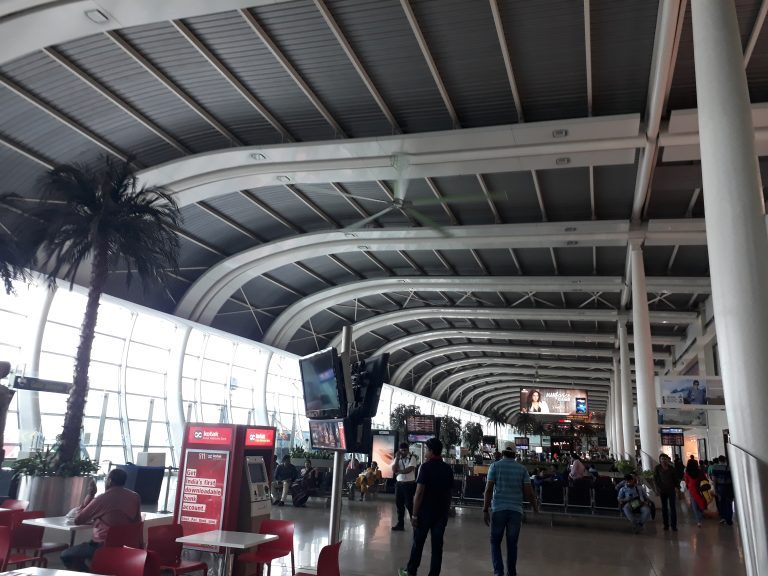
The service links Mumbai’s Chhatrapati Shivaji Maharaj International Airport with Julius Nyerere International Airport in Tanzania.
Air Tanzania currently flies the route nonstop with Boeing 787 aircraft, meaning IndiGo will enter an already-served market.
The route makes Dar es Salaam IndiGo’s second continental African destination, alongside existing services to Mauritius and Seychelles.
IndiGo has said its expansion strategy focuses on markets showing strong demand and limited direct options from India.
IndiGo has expanded aggressively into international markets over the past two years, adding a steady stream of new long-haul and mid-haul routes even as it manages fleet and staffing constraints on the domestic side.
Dar es Salaam will become IndiGo’s second continental African destination and its fourth market across Africa and nearby islands, alongside existing services to Mauritius and Seychelles.
IndiGo will compete directly with Air Tanzania on the Mumbai-Dar es Salaam sector, where the Tanzanian flag carrier currently operates using Boeing 787 aircraft.
The Indian High Commission in Tanzania has confirmed IndiGo’s plans for daily Mumbai-Dar es Salaam flights, though the airline’s own timeline has shifted from an initially discussed October start to November.
The Tanzania Civil Aviation Authority held discussions with IndiGo earlier this year on plans for direct flights between India and Tanzania, part of the groundwork for the new route.
IndiGo’s wider international expansion this period also includes new Mumbai-Hanoi flights starting October 25, even as it winds down Chennai-Reunion service and suspends London Heathrow operations.
The airline has also returned six leased Boeing 787 aircraft as part of a broader restructuring of its long-haul international fleet.
IndiGo’s strategy has been described as adding capacity where it identifies strong passenger demand and opportunities to connect underserved markets, rather than pursuing uniform network growth.
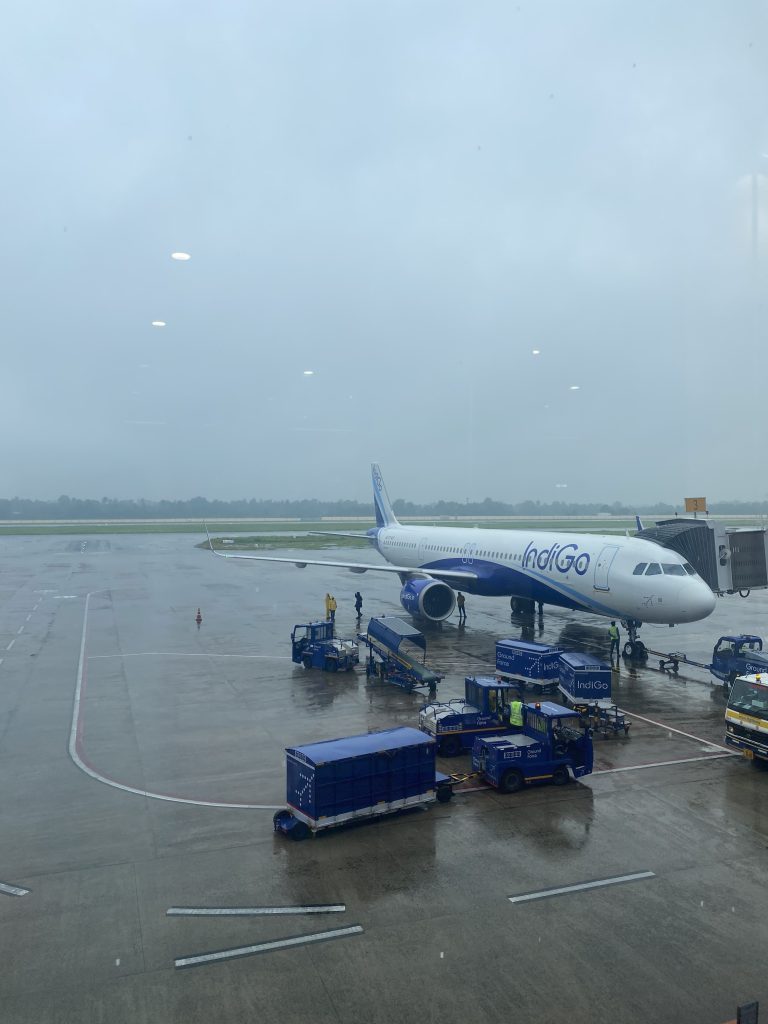
Photo of an IndiGo Airbus A321, Wikimedia Commons, CC BY-SA 4.0